A nutrition comparison you can remix

Fruit Tier List: The Complete Nutrition Ranking (2026)

This working fruit tier list compares vitamins, antioxidant value, fiber, glycemic impact, and research support. Read the method, explore the S-to-D ranking, then create a personal fruit tier list with your own images.

Updated September 1, 20265 scoring signalsUSDA + PubMed referencesFree maker
Saved locally in this browser
03 Save & Share
02Drag to rankLIVE EDITOR
0 fruits ranked
Drop the best here
Drop images here
Drop images here
Drop images here
Drop images here
S → D nutrition ranking

Fruit Tier List Ranking

Compare the 23 editorially ranked fruits at a glance, then read the supporting nutrition signals and caveats in each card.

September 1, 2026Updated
23fruits ranked
5scoring signals
USDA · ORAC · GI · PubMedreference scope
S

S-Tier

Ranks 1-5 by nutrition score

5 fruits
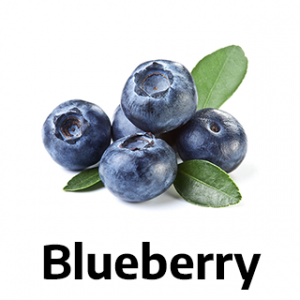
Blueberry fruit
#1Blueberry

ORAC: 9,621 µmol TE/100 gVitamin C: 9.7 mg/100 gFiber: 2.4 g/100 gGI 53 · GL 7.2

The antioxidant leader in the supplied comparison. Frozen blueberries can be a practical, affordable option.
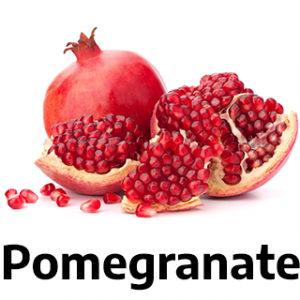
Pomegranate fruit
#2Pomegranate

Punicalagin is the signature compoundVitamin C: 10.2 mg/100 gFiber: 4.0 g/100 g500+ cardiovascular studies cited

Distinctive polyphenol profile and strong research interest, with a more involved eating experience.
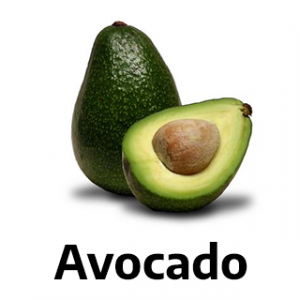
Avocado fruit
#3Avocado

Monounsaturated fat: 9.8 g/100 gPotassium: 485 mg/100 gFiber: 6.7 g/100 gVitamin K: 21 µg/100 g

A fruit with unusually high healthy fat and fiber density; it is not directly comparable to sweet fruit on every goal.
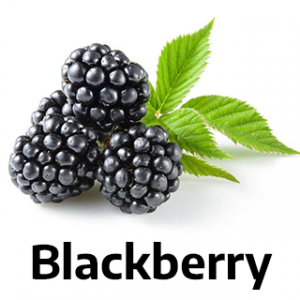
Blackberry fruit
#4Blackberry

Fiber: 5.3 g/100 gVitamin C: 21 mg/100 gVitamin K: 19.8 µg/100 gAnthocyanin-rich

A strong combination of fiber, vitamin C, vitamin K, and berry polyphenols.
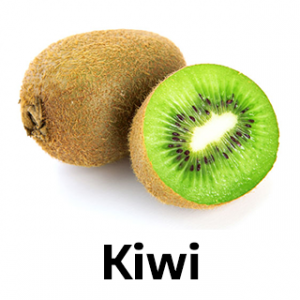
Kiwifruit fruit
#5Kiwifruit

Vitamin C: 92.7 mg/100 gFiber: 3.0 g/100 gHigh vitamin C densitySleep research cited

The vitamin C standout in the supplied list, with fiber and a bright flavor that works well in mixed bowls.
A

A-Tier

Ranks 6-11 by nutrition score

6 fruits
Strawberry fruit
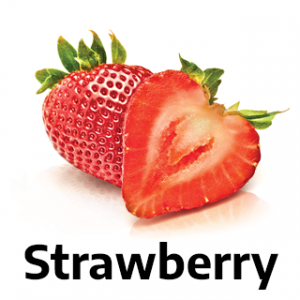
#6Strawberry

Vitamin C: 58.8 mg/100 gORAC: 4,302 µmol TE/100 gFiber: 2.0 g/100 gGI 40 · GL 3.1

High vitamin C, low GI context, and easy everyday use make it a versatile pick.
Cherry fruit
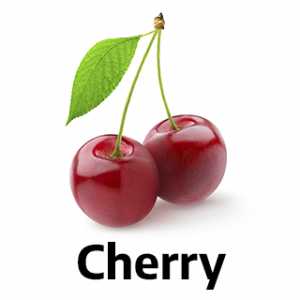
#7Cherry

Anthocyanins + melatoninGI: 22Low glycemic impact in the supplied dataAnti-inflammatory RCTs cited

A low-GI standout with seasonal availability and a higher price in some markets.
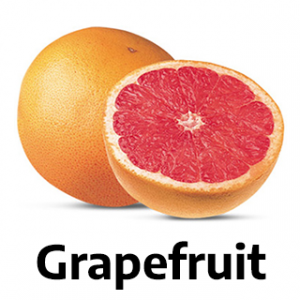
Grapefruit fruit
#8Grapefruit

Vitamin C: 31.2 mg/100 gNaringeninGI: 25 · GL: 2.7Metabolic research interest

A metabolism-friendly option in this comparison; check for medication interactions before eating it regularly.
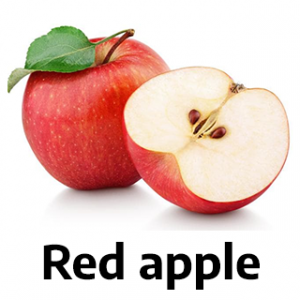
Apple fruit
#9Apple

Fiber: 2.4 g/100 gPectin in the skinQuercetinGI: 36 · GL: 5.1

Keeping the edible skin changes the fiber and polyphenol profile, provided the fruit is washed appropriately.
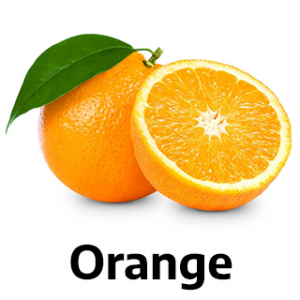
Orange fruit
#10Orange

Vitamin C: 53.2 mg/100 gFiber: 2.4 g/100 gHesperidinWidely available

A durable, affordable vitamin C staple with useful fiber when eaten whole rather than juiced.
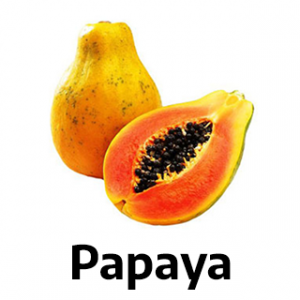
Papaya fruit
#11Papaya

Vitamin C: 60.9 mg/100 gPapainVitamin A: 950 IU/100 gTropical fruit

A vitamin A and vitamin C combination with a naturally soft texture.
B

B-Tier

Ranks 12-15 by nutrition score

4 fruits
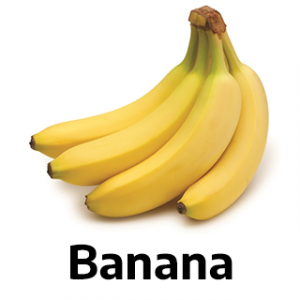
Banana fruit
#12Banana

Potassium: 358 mg/100 gVitamin B6: 0.4 mg/100 gGI: 51Ripeness changes glycemic context

Convenient and potassium-rich, but the overall profile is less varied when eaten alone.
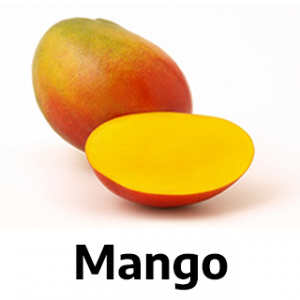
Mango fruit
#13Mango

Vitamin A: 1,082 IU/100 gVitamin C: 36.4 mg/100 gGI: 51Sugar: 14 g/100 g

Strong vitamin A and C contribution with more sugar and calories than the top berry picks.
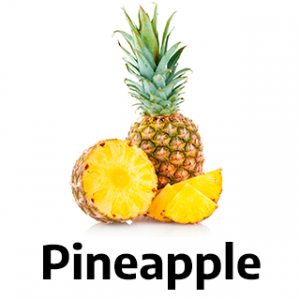
Pineapple fruit
#14Pineapple

Vitamin C: 47.8 mg/100 gBromelainGI: 59Tropical fruit

A vitamin C source with bromelain interest, though its glycemic context is higher in the supplied data.
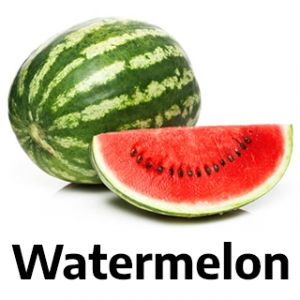
Watermelon fruit
#15Watermelon

Lycopene: 4.5 mg/100 gWater: 91%GI: 72Low GL from low total carbohydrate

Excellent for hydration, but large portions may not suit people who are sensitive to glycemic spikes.
C

C-Tier

Ranks 16-19 by nutrition score

4 fruits
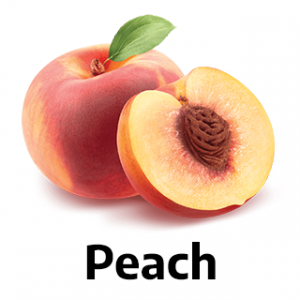
Peach fruit
#16Peach

Vitamin A: 326 IU/100 gVitamin C: 6.6 mg/100 gFiber: 1.5 g/100 g

A pleasant seasonal fruit whose vitamin and fiber density is more modest here.
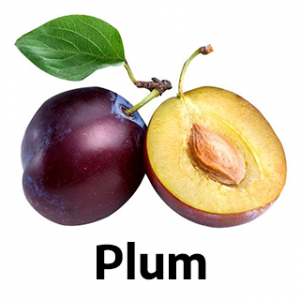
Plum fruit
#17Plum

Vitamin C: 9.5 mg/100 gSeasonal fruitLower overall nutrient density in the supplied comparison

A reasonable everyday fruit, but not a leading source of the measured signals.
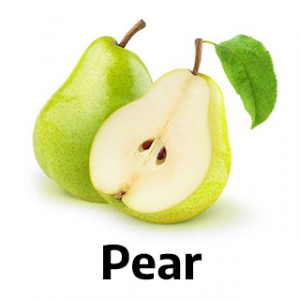
Pear fruit
#18Pear

Fiber: 3.1 g/100 gWater-richLower vitamin density

A useful fiber and texture choice with fewer standout vitamins in this framework.
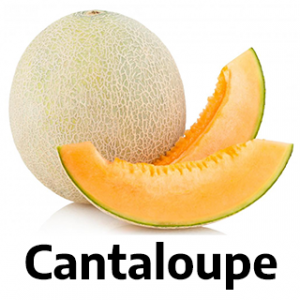
Cantaloupe fruit
#19Cantaloupe

Vitamin A: 3,382 IU/100 gVitamin C: 10.9 mg/100 gWater-rich

Vitamin A is a bright spot, while the other comparison signals are more average.
D

D-Tier

Ranks 20-23 by nutrition score

4 fruits
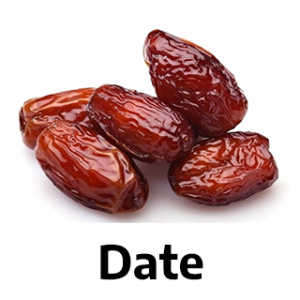
Dates fruit
#20Dates

Sugar: 66 g/100 gGI: 42–70Dried fruitPortion size matters

Energy-dense and sweet, so a small portion is a different use case from a bowl of fresh berries.
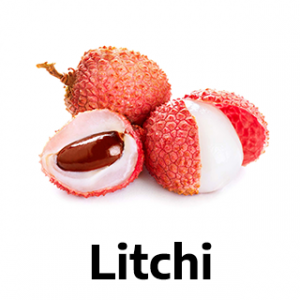
Lychee fruit
#21Lychee

Sugar: 15 g/100 gVitamin C: 71.5 mg/100 gLimited standout signals beyond vitamin C

Vitamin C is a strength, but the supplied model scores the overall profile lower.
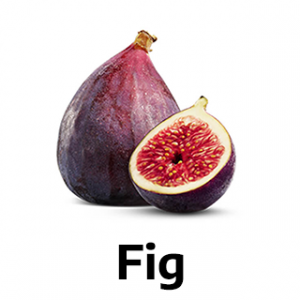
Figs fruit
#22Figs

Sugar: 16 g/100 gTrace mineralsFresh or dried use changes the comparison

A flavorful option whose ranking depends heavily on serving form and portion.
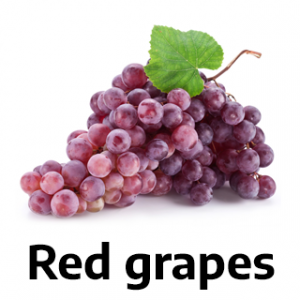
Grapes fruit
#23Grapes

Sugar: 16 g/100 gGI: 59Resveratrol interestEasy to overeat

Convenient and enjoyable, but less distinctive on the supplied five-signal score.
How to read this fruit tier list

Rankly groups the supplied editorial order into S, A, B, C, and D display bands. These bands summarize this page's comparison and are not a universal medical verdict.

Ranking framework USDA FoodData Central · PubMed · University of Sydney GI databaseValues can vary by cultivar, ripeness, serving size, and database method. Check the linked USDA, PubMed, GI, and ORAC references before using this as dietary advice.

Start with the method

How this fruit tier list is scored

Each fruit is compared across five signals. The score is a practical editorial framework for comparing options, not a medical diagnosis or a substitute for advice from a qualified professional.

Last updated: September 1, 2026Reference sources
Five signals · 20 points each

Fruit nutrition ranking criteria

The working score gives equal weight to vitamin density, antioxidant value, fiber, glycemic friendliness, and research support. Values can vary by cultivar, ripeness, serving size, and database method.

Vitamin density

USDA FoodData Central values for vitamin C, vitamin A, vitamin K, and B vitamins.

Antioxidant value

ORAC is used as a reference metric in the supplied editorial data; compare database methods before treating values as directly interchangeable.

Dietary fiber

USDA fiber values per 100 g, with extra credit in the editorial notes for fruits that bring meaningful fiber density.

Glycemic impact

GI and GL context from the University of Sydney database, where a lower impact is generally more favorable for this comparison.

Research support

PubMed literature volume and quality are used as a context signal, not as a guarantee of an individual health outcome.

Editorial note: nutrition data should be rechecked against the linked databases before this page is treated as a clinical or dietary recommendation.

Context changes the winner

Best fruits by use case

There is no single fruit that wins every goal. These shortlists turn the same comparison into practical starting points without presenting them as medical prescriptions.

Best Fruits for Weight Loss

Strawberry · Grapefruit · Blackberry · Kiwifruit · Apple

Look for fiber, volume, and a lower glycemic context while keeping portions and the rest of the meal in view.

Best Fruits for Smoothies

Blueberry · Strawberry · Kiwifruit · Avocado · Mango

Mix berry polyphenols and fiber with a texture builder; unsweetened yogurt or other protein can make a smoothie more filling.

Low Sugar Fruits

Strawberry · Blackberry · Grapefruit · Cherry · Kiwifruit

Use this as a lower-sugar comparison shortlist, not as diabetes treatment. Medication and glucose questions belong with a clinician.

Best Fruits for Kids

Strawberry · Banana · Orange · Apple · Kiwifruit

Choose familiar textures, wash and cut fruit safely, and adapt choices for age, allergies, and choking risk.

Questions readers ask

Fruit Tier List Nutrition FAQ

What is the #1 healthiest fruit?

Blueberries rank #1 in this editorial fruit tier list because they combine antioxidant capacity, fiber, and a large body of research. “Healthiest” depends on the goal: avocado leads for healthy fats, kiwifruit for vitamin C, and cherries for the low-GI context used here.

What makes a fruit S tier?

An S-tier fruit scores 90 or more across five equal signals in this working model: vitamin density, antioxidant value, fiber, glycemic impact, and research support. The current editorial S tier includes blueberries, pomegranates, avocados, blackberries, and kiwifruit.

What are the top 10 healthiest fruits?

The top 10 in this supplied comparison are blueberry, pomegranate, avocado, blackberry, kiwifruit, strawberry, cherry, grapefruit, apple, and orange. The order is a nutrition comparison, not a universal medical ranking.

Which fruit has the most antioxidants?

Blueberries rank first by the supplied ORAC reference value at 9,621 µmol TE/100 g. ORAC values depend on testing and database methods, so use them as one comparison signal rather than a complete measure of health.

Are frozen fruits as healthy as fresh?

Often, yes. Frozen fruit can retain much of its nutrition when it is frozen near peak ripeness, while fresh fruit may spend time in transit and storage. Choose unsweetened frozen fruit and compare labels when added sugar matters.

Check the evidence

Fruit ranking reference links

The page uses the supplied editorial figures as a starting draft. Before publication, verify each value and claim against the underlying database record or paper.

PubMed

Search peer-reviewed literature by fruit, compound, outcome, and study design.

ORAC background at NCBI

Background reading for antioxidant-capacity methods; ORAC should not be treated as a complete health score.

This page is educational content, not medical advice. Talk with a qualified professional about allergies, diabetes, medication interactions, or an individualized diet.

Your criteria, your ranking

Disagree with our ranking? Make your own!

Open the Fruit Tier List Maker with 56 supplied fruit images, drag each choice into a tier, add your own images, and download your ranking as a PNG.

Edit tier